(772) 380-4949

Palm Bay Paintball Park
What Are Paintballs Made Of?
A Complete Guide for Players, Fields, and Curious Minds
If you’ve ever walked off the field covered in bright paint and thought, “what exactly is this stuff?”—you’re asking the right question. Understanding what paintballs are made of isn’t just interesting, it actually impacts everything from how well your shots break, to how easy your gear is to clean afterward. For field owners especially, the composition of paint can make the difference between a smooth operation and constant complaints about stains.
At a glance, paintballs may seem simple, but in reality they are carefully engineered products made up of two primary components: a gelatin shell and a liquid fill. While that sounds straightforward, the quality and formulation of each part can vary significantly between manufacturers like and other brands on the market. These differences are exactly what separate premium paint from budget options.
The Paintball Shell: More Than Just a Capsule
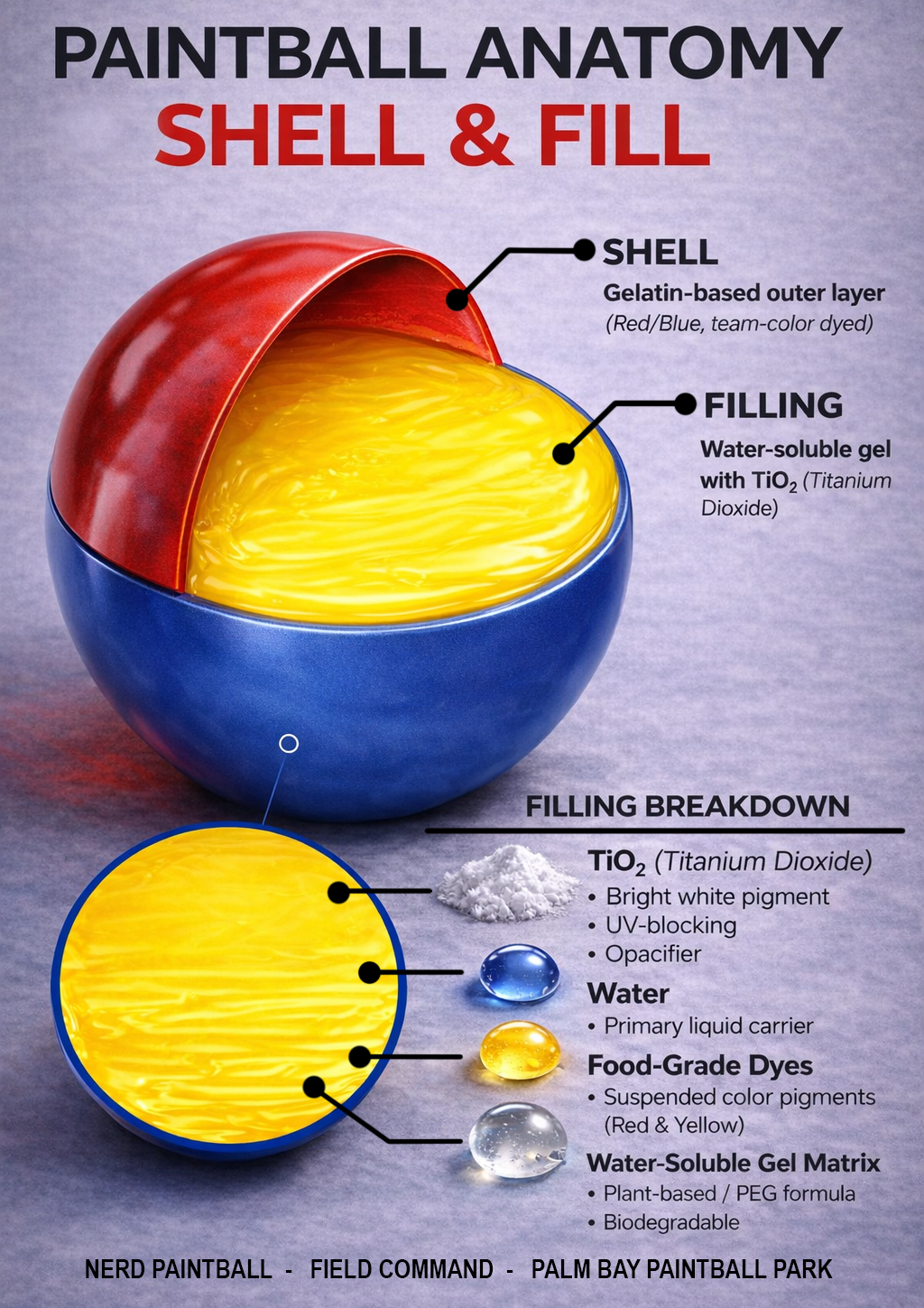
The outer shell of a paintball is made from gelatin, very similar to the material used in pharmaceutical capsules. However, while a capsule is designed to dissolve gradually inside the body, a paintball shell is engineered for a completely different purpose—it must perform under extreme conditions for just a fraction of a second. This creates a unique challenge: the shell needs to be durable enough to withstand handling, loading, and high-speed firing, yet fragile enough to reliably break on impact with a player or surface.
To achieve this balance, manufacturers carefully control several key variables during production, including shell thickness, elasticity, and moisture content. Even slight changes in humidity or temperature can affect how the shell behaves. For example, a shell that is too thick or too flexible may bounce off a target without breaking, while a shell that is too brittle can crack inside the marker, causing frustrating barrel breaks and poor accuracy.
Because different styles of play demand different performance characteristics, paintballs are often engineered with specific use cases in mind. Tournament-level paint is typically designed with a thinner, more brittle shell. This ensures that even glancing hits will break on opponents, making hits easier to judge and reducing the chance of bounces. On the other hand, recreational or field-grade paint usually features a slightly thicker and more durable shell. This added strength helps it survive rough handling, rental equipment, and less controlled playing conditions, ultimately reducing maintenance issues and keeping games running smoothly.
Ultimately, the paintball shell is a finely tuned balance of chemistry and engineering. It’s not just a simple outer layer—it’s a critical component that determines how the paintball performs from the moment it leaves the barrel to the instant it hits its target.
The Fill Inside: Where the Magic Happens
While the shell gets the paintball to the target, the fill is what actually marks the hit. This liquid mixture is typically made from a water-soluble base such as polyethylene glycol (PEG), combined with dyes, pigments, and various additives that control thickness and spread. The fill is carefully formulated so that it remains stable inside the shell but spreads quickly upon impact. This ensures that referees and players can clearly see a hit, which is critical in both recreational and competitive paintball. At the same time, the fill needs to be washable—at least in theory—so that clothing and gear aren’t permanently damaged.However, not all fill formulas are equal. Premium brands tend to use higher-quality ingredients and more refined mixtures, resulting in brighter colors that wash out more easily. Cheaper paint often uses lower-grade materials, which can lead to thicker residue, duller colors, and more stubborn stains.
Titanium Dioxide: The Secret Behind Bright Hits
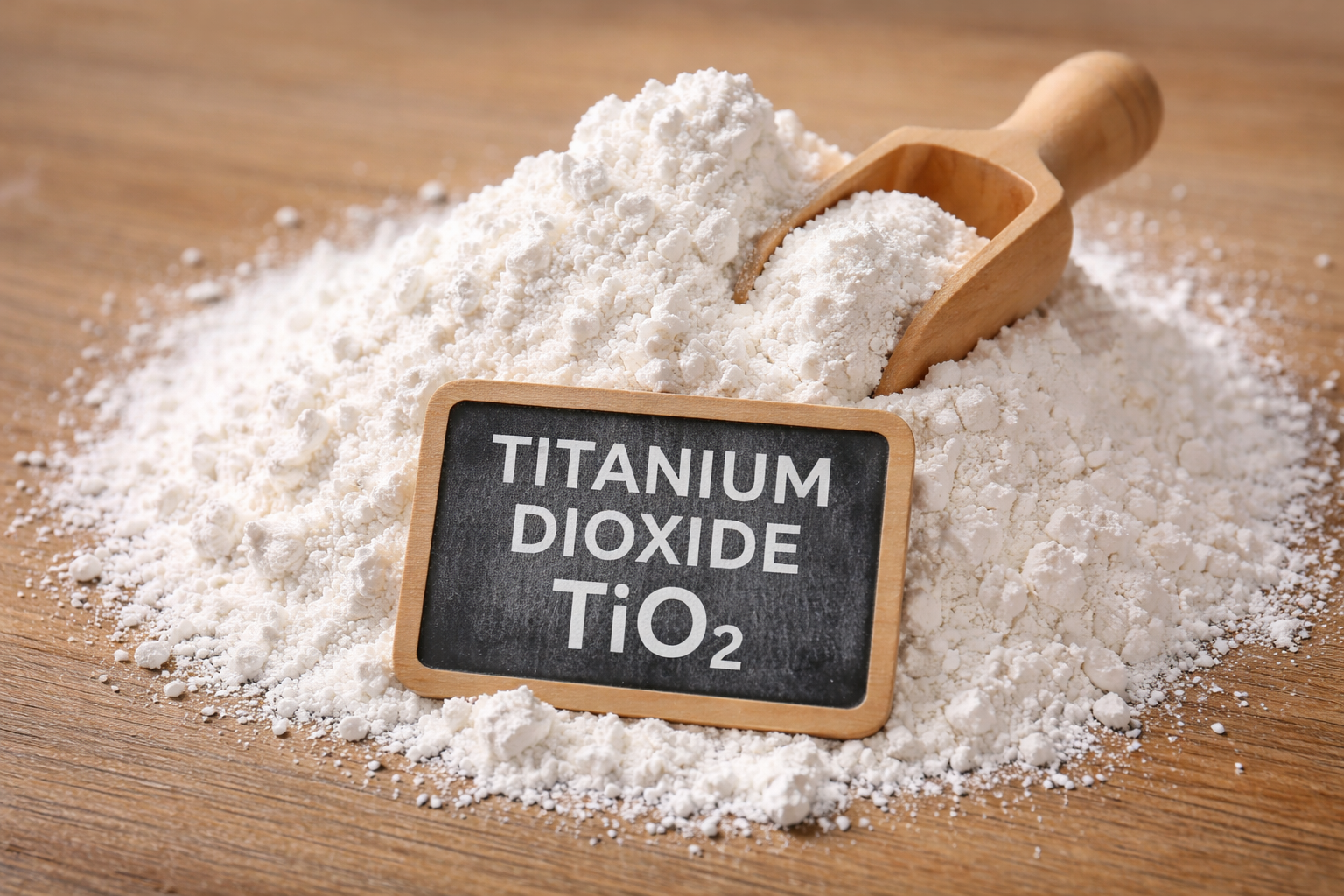
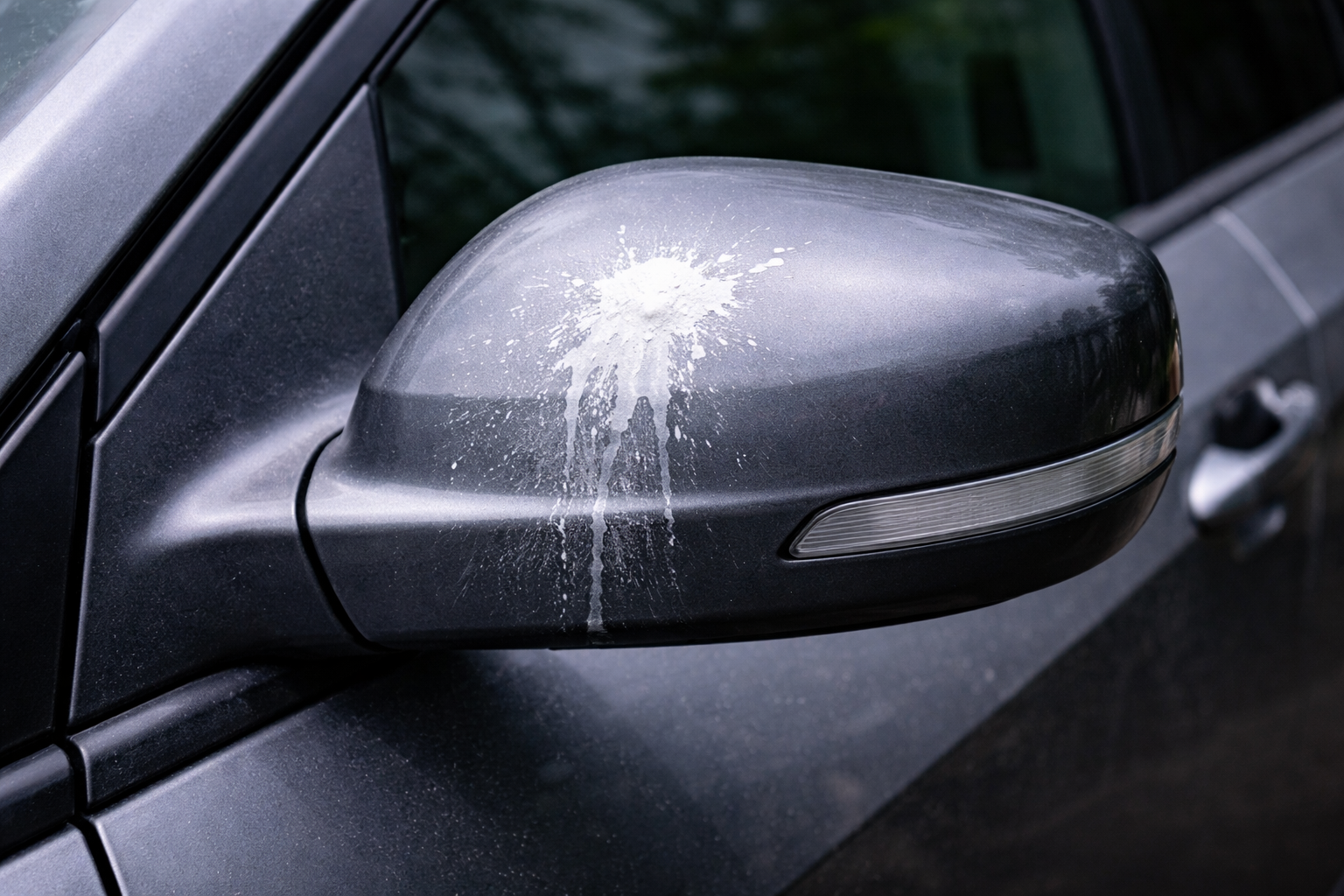
One of the most important—and least understood—ingredients in paintballs is titanium dioxide (TiO₂). This is the white, chalky substance you often see left behind after a hit, especially when the color seems to “pop” against darker clothing.
Titanium dioxide is used because it provides opacity and brightness. Without it, paint would appear more transparent and much harder to see, especially at a distance. In other words, TiO₂ is what makes paintball hits obvious and easy to judge during gameplay.
That said, the type of titanium dioxide used can vary widely. Higher-end paintballs often use cosmetic-grade TiO₂, which has a finer particle size and is processed to be less abrasive. This results in paint that is not only brighter but also easier to wash out of fabrics.
On the other hand, some lower-cost paintballs use industrial-grade TiO₂, which tends to have larger particles and a rougher texture. As a result, it can cling to fibers more aggressively, making it harder to remove from clothing and gear. This difference is one of the main reasons why some paint seems to “stick” or leave behind a stubborn white residue.
Why Paintballs Can Be Hard to Clean
Although paintballs are marketed as washable, anyone who has played regularly knows that this isn’t always the case. The difficulty in cleaning paint comes down to a combination of factors working together rather than a single ingredient.
First, titanium dioxide plays a major role. Because it behaves like a fine pigment powder, it can become embedded in fabric fibers, especially if pressure or heat is applied. Second, the dyes used in brightly colored paint—particularly neon shades like pink, orange, and yellow—can stain if left untreated for too long. Additionally, thicker fill formulas, which are designed to create better hit marks, can also adhere more strongly to surfaces.
Time and temperature also make a significant difference. If paint is left to dry or is exposed to heat before being washed, the stain can effectively set into the material. This is why players who rinse their gear immediately with cold water tend to have much better results than those who wait until the next day.
Differences Between Paintball Brands
While most paintballs follow the same general formula, the differences in quality are substantial. Premium manufacturers like focus heavily on consistency, using higher-grade materials and tighter production standards. This typically results in paint that breaks more reliably, flies straighter, and cleans up more easily.
In contrast, budget paintballs are often produced with cost savings in mind. This can mean thicker shells, less refined pigments, and the use of industrial-grade additives. While these paintballs may be more affordable, they can lead to reduced performance and more difficult cleanup, which can ultimately affect the overall player experience.
For field owners, this difference becomes especially important. Choosing higher-quality paint can reduce complaints, improve game quality, and even lower long-term maintenance costs.
Are Paintballs Safe?
In general, modern paintballs are considered non-toxic and safe for recreational use. The gelatin shell is biodegradable, and the fill is designed to be water-soluble over time. Most reputable manufacturers ensure their products meet safety standards, making them suitable for outdoor play.
However, safety still depends on proper use. Paintballs should never be ingested, and protective gear—especially eye protection—should always be worn. While rare, some individuals may experience mild skin irritation depending on the ingredients used.
FAQ
What are paintballs made of?
Paintballs are made of a gelatin shell filled with a water-soluble liquid containing dyes, pigments, and additives like titanium dioxide for visibility.
What is inside a paintball?
Inside a paintball is a liquid mixture of polyethylene glycol, colorants, and thickening agents designed to mark targets on impact.
Why do paintballs stain clothes sometimes?
Paintballs can stain due to pigments, titanium dioxide particles, and dyes that embed into fabric—especially if not washed quickly.
Is paintball paint toxic?
No, most paintball fill is non-toxic and biodegradable, but it should not be ingested and proper safety gear should always be used.
What is the white powder in paintballs?
The white residue is typically titanium dioxide (TiO₂), a pigment used to make paint more visible and opaque.